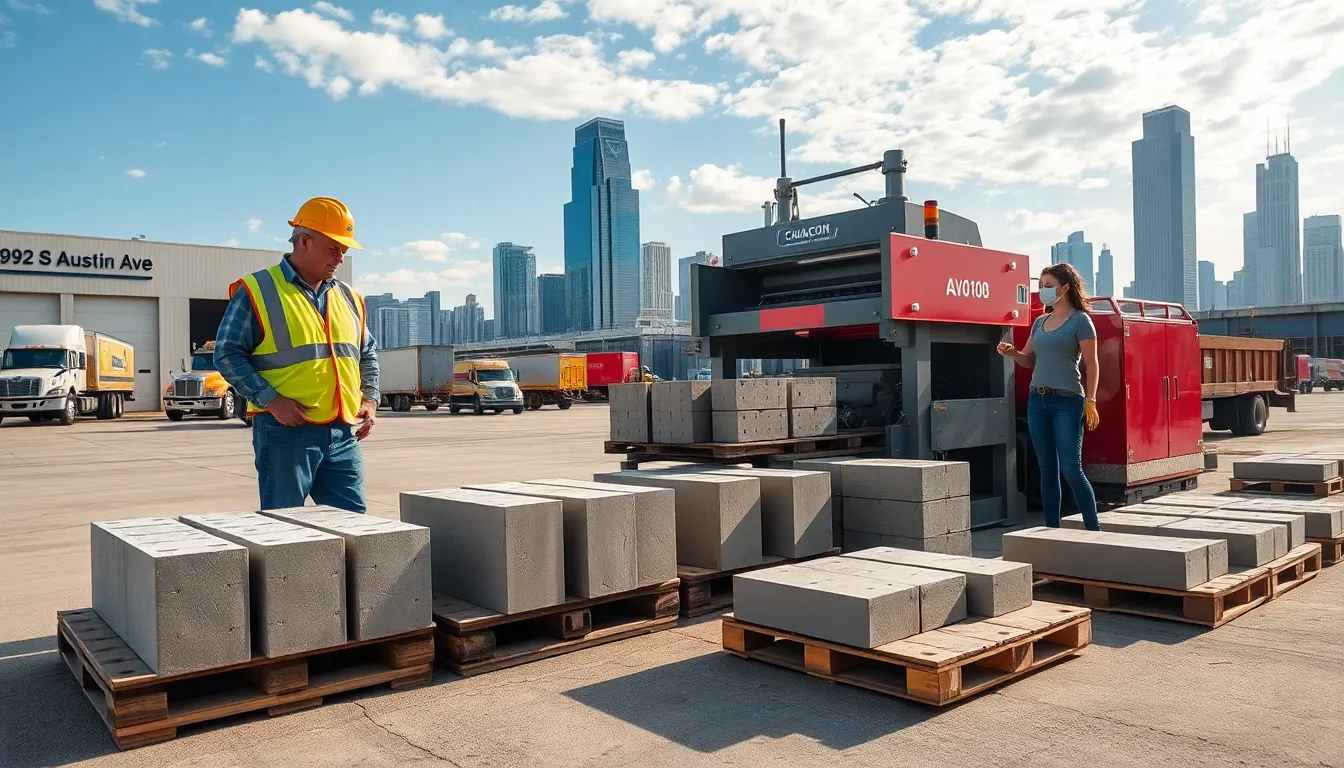
Block machines are the backbone of modern construction, allowing builders to efficiently produce strong, consistent blocks and bricks. For contractors and developers evaluating equipment options, understanding the block machine technology available today is essential to making informed purchasing decisions. This article examines key types and features, and offers practical insights for anyone considering these machines for construction projects in Chicago or beyond.
Key Takeaways
- A block machine enables efficient production of strong, consistent blocks essential for modern construction.
- Choosing the right block machine depends on desired automation level, production capacity, and specific block types.
- Block machines streamline the process from mixing to curing, ensuring uniform quality and durability in every block.
- Advantages of using a block machine include greater efficiency, lower labor costs, and flexibility in block design.
- Investing in the right block machine supports sustainable building practices and offers expert support and reliable warranties, especially for projects in cities like Chicago.
What Is a Block Machine?
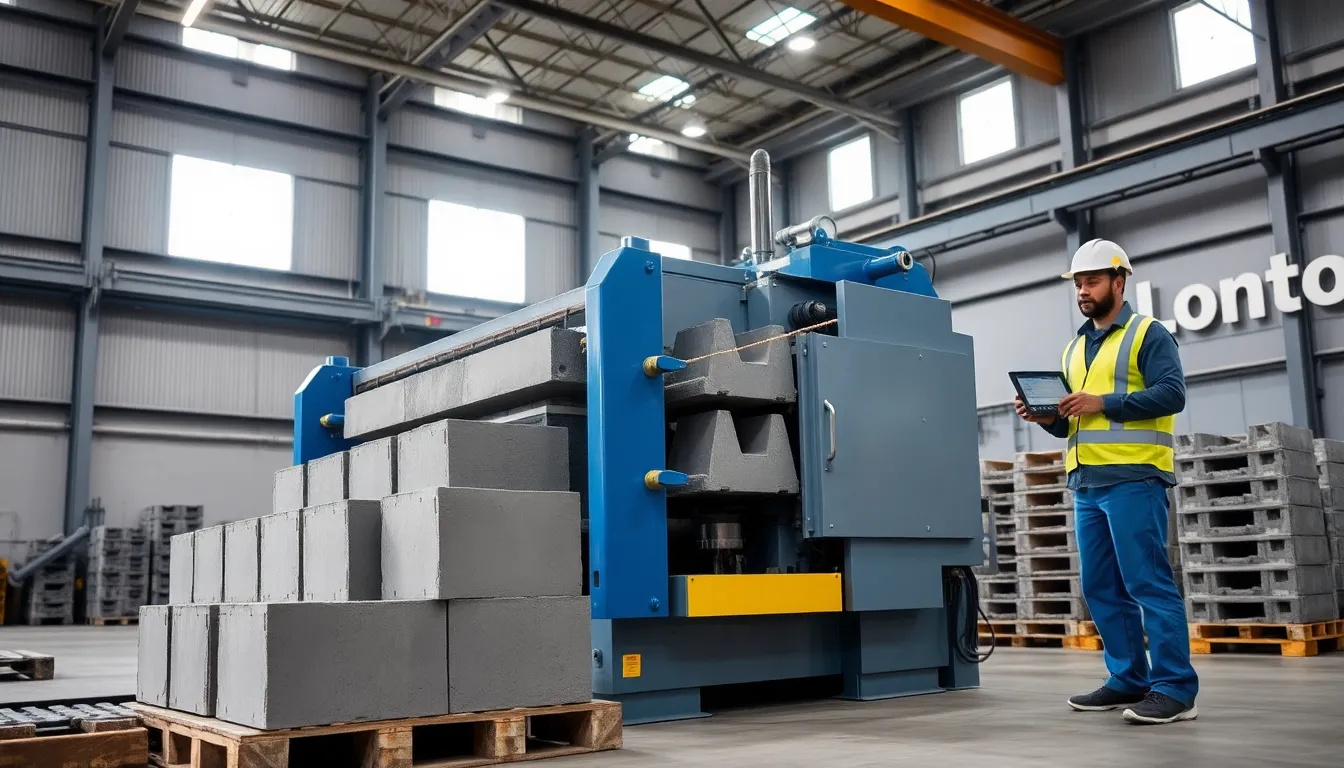
A block machine is a specialized piece of equipment designed to manufacture concrete blocks, bricks, and pavers by compressing and vibrating raw materials like cement, sand, and aggregates. Using a block machine, manufacturers and builders can produce high-strength blocks that serve as the foundation of walls, pavements, and other structures.
For professionals in Chicago, like those working with Lontto at 4992 S Austin Ave, a block machine means access to reliable, locally made concrete blocks that meet stringent standards. Lontto provides a full range of machines and expert support, ensuring efficiency from installation to day-to-day operation.
Types of Block Machines
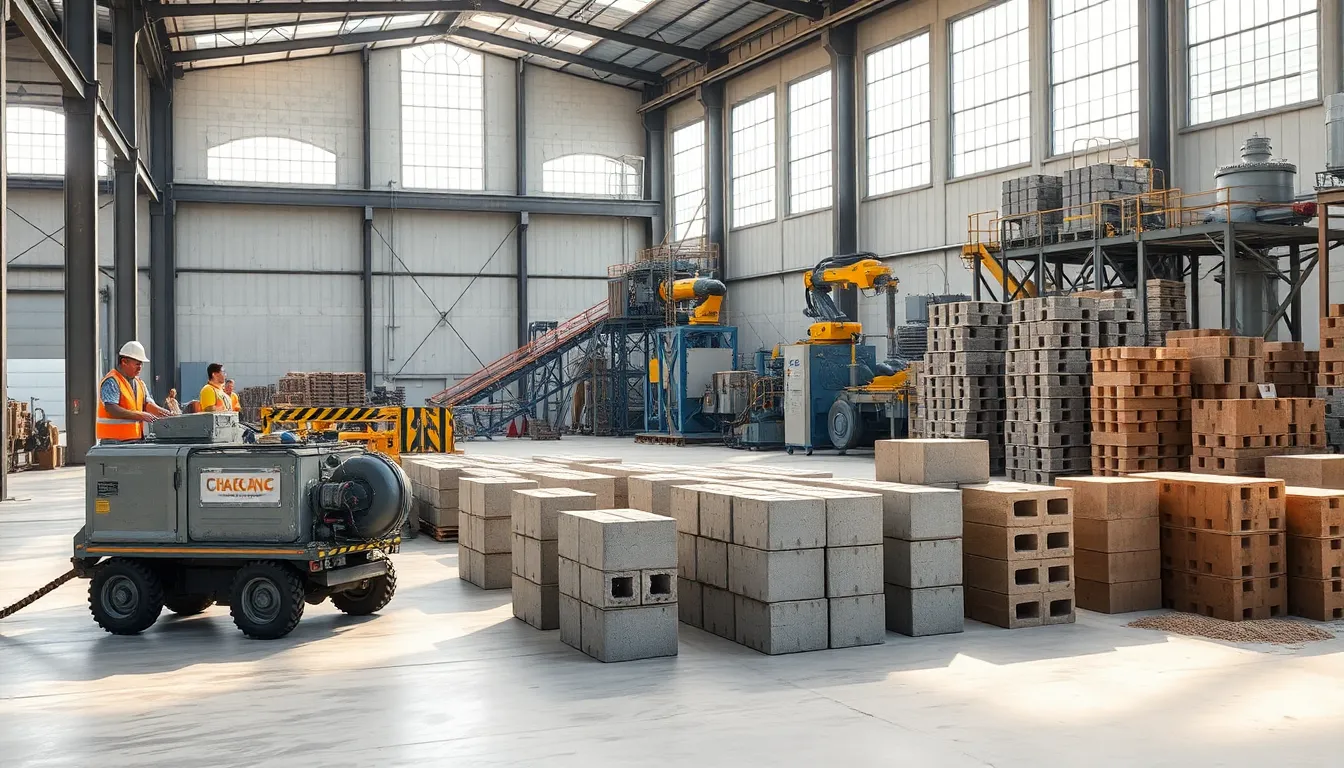
Choosing the right block machine depends on the size of your project, level of automation, and block types needed. Common categories include:
- Mobile (Laying) Block Machines: These machines, such as Lontto‘s QMJ4-45 and QMJ2-45, are mounted on wheels and produce blocks directly on the floor. Because they can be moved from place to place, they’re often used on smaller projects where flexibility is key. Mobile machines are well-suited for hollow and solid block production.
- Stationary (Fixed) Block Machines: Fixed in one place, these machines are available in manual and semi-automatic styles. For example, the QT4-25C semi-automatic machine uses a hydraulic system to improve compaction and finish. Stationary machines generally use wooden or metal platforms to form high-quality blocks.
- Fully Automatic Block Plants: For large-scale or continuous operations, fully automated machines like the QT4-15 handle everything, from batching and mixing to molding and transfer. These plants offer high output and minimal labor demands but require significant investment and space.
- Compressed Earth Block (CEB) Machines: Machines like Lontto‘s ECO BRAVA and ECO PREMIUM are designed for eco-friendly, cost-conscious builders. They compress soil and a small amount of cement into interlocking blocks, perfect for sustainable projects.
- AAC (Autoclaved Aerated Concrete) Block Plants: AAC machines create lightweight, insulating blocks for energy-efficient walls. Lontto offers both standard and mini AAC block plants tailored to different production scales.
By offering a diverse selection, Lontto helps Chicago builders and manufacturers find the right solution, whether they’re focused on manual flexibility or need cutting-edge automation.
How Block Machines Work
Block machines operate by precisely mixing raw materials, typically cement, sand, gravel, water, and sometimes additives or colorants. Here’s an overview of the manufacturing process:
- Mixing: Materials are thoroughly blended to ensure a consistent mixture. Automated machines often include batch mixers for improved speed and quality.
- Feeding: The mixed material is loaded into a mold. For manual machines, this may involve hand shoveling, while automatic systems use conveyors or hoppers.
- Compaction and Vibration: Hydraulic pressure and high-frequency vibration compress the material inside the mold. This step is critical for producing durable, dense blocks with precise dimensions.
- Demolding: The newly formed block is released from the mold and placed either on a pallet (stationary machines) or on the floor (mobile machines).
- Curing: Blocks are allowed to harden and gain strength, typically in a covered area.
Advanced machines, like Lontto‘s QT4-15, automate the entire sequence, improving both block quality and productivity. Smaller builders benefit from manual options, like the ECO BRAVA, with easy operation and reliable outputs.
Key Features to Consider When Choosing a Block Machine
Selecting the right block machine is crucial for cost-effectiveness and long-term workflow. Important features to weigh include:
- Level of Automation: Manual machines require more labor but are often more affordable. Semi-automatic and fully automatic models reduce manual effort, increase speed, and help with large-scale production.
- Production Capacity: Match the machine’s hourly or daily output to your project needs. High-output automatic plants like QT4-15 are best for commercial facilities, while a QMJ2-45 or ECO BRAVA fits smaller or mobile sites.
- Versatility: Most Lontto machines come with interchangeable molds for different block sizes and shapes, hollow, solid, paver, or interlocking.
- Durability & Build Quality: Certified manufacturing and reliable warranties matter. Lontto‘s CE and ISO certifications ensure machines can withstand the demands of busy Chicago jobsites.
- Control Systems: PLC (Programmable Logic Controller) panels simplify operation and minimize human error in advanced models.
- Space and Power Requirements: Consider your available workspace and whether an electric or diesel-powered machine fits your infrastructure.
- Warranty & Support: Lontto‘s 1-year warranty and responsive support offer peace of mind, especially for new businesses investing in machinery.
Always consider the scale and type of projects planned before committing to a particular block machine.
Applications of Block Machines in Construction
Block machines are used across a range of construction settings:
- Load-Bearing Walls: Hollow and solid blocks produced with these machines serve as the structural backbone for homes, apartments, and commercial buildings.
- Pavements and Sidewalks: Paver machines make durable, slip-resistant blocks ideal for streets, driveways, and walkways.
- Interlocking Structures: Compressed earth block machines or those with special molds enable construction of retaining walls, landscaping features, and modular systems.
- Remote or Temporary Projects: Mobile block machines allow on-site production in rural or hard-to-reach locations, cutting down transport costs and ensuring timely delivery.
- Green and Sustainable Building: Eco block machines use local soils and less cement, lowering the carbon footprint and supporting sustainable building practices.
Lontto‘s machines are used by public works, private contractors, and community groups in Chicago and worldwide. The ability to produce consistent, high-quality block products on demand makes them essential for developers seeking efficiency and reliability.
Benefits and Advantages of Using Block Machines
Adopting the right block machine brings clear business and construction benefits:
- Efficiency: Machines significantly speed up block production, saving time and costs on material handling and labor.
- Consistency: Both manual and automatic machines produce blocks with uniform shape, size, and strength, which ensures structural reliability.
- Flexibility in Design: With a range of molds and settings, users can create a variety of blocks, including specialized interlocking or paver blocks, without extra equipment.
- Reduced Waste: Precise control over materials and process minimizes scrap, maximizing raw material use.
- Lower Labor Costs: Automation, even at the semi-automatic level, reduces the workforce required while increasing safety and productivity.
- On-Site Capability: Mobile machines in particular enable production close to the building site, which is a huge advantage in large urban areas like Chicago, reducing logistics and delivery delays.
- Expert Support and Warranty: Working with Lontto, customers benefit from installation, operator training, and a comprehensive warranty, making setup and maintenance smoother.
The combination of these benefits makes block machines a smart investment for contractors, property developers, and even self-builders looking to control construction quality right from the source.
About Lontto
Business: Lontto
Spokesperson: Chao Zhang
Position: CEO
Phone: 708 260 8300
Email: [email protected]
Location: 4992 S Austin Ave, Chicago, IL 60638, USA
Website: https://www.block-machine.net/
Google Maps Link: https://maps.app.goo.gl/fTprzmgUFjGYgBBL9
Block Machine FAQs
What is a block machine and how does it work?
A block machine is equipment used to manufacture concrete blocks, bricks, and pavers by compressing and vibrating raw materials. It mixes cement, sand, and aggregates, then compresses the mixture in molds to form strong, uniform blocks for construction.
What types of block machines are available for construction?
Common types of block machines include mobile (laying) machines, stationary (manual and semi-automatic), fully automatic block plants, compressed earth block machines, and AAC block plants. Each type suits different project scales and block requirements.
What are the key features to consider when choosing a block machine?
When selecting a block machine, consider the level of automation, production capacity, versatility for block types, durability, control systems (like PLC panels), space and power needs, and the availability of a warranty and support.
How does using a block machine improve construction efficiency?
Using a block machine speeds up block production, ensures uniform size and strength, reduces labor costs, enables on-site manufacturing, and minimizes material waste. These benefits make construction more efficient and cost-effective.
Can a block machine be used for sustainable or green building projects?
Yes, certain block machines, such as compressed earth block (CEB) machines and AAC block plants, are designed for eco-friendly building. They use local soils, less cement, and produce blocks with improved insulation and a lower carbon footprint.
Is a block machine suitable for small-scale or remote construction sites?
Mobile block machines are particularly well-suited for small-scale or remote projects. They can be moved to different locations, allowing on-site block production, reducing transportation costs, and ensuring timely delivery of building materials.